Transform Your Space with Indoor Remodeling Tips
- stephhkahle9
- Nov 28, 2025
- 4 min read
Remodeling your indoor space can be an exciting yet daunting task. Whether you're looking to refresh a single room or undertake a full home renovation, the right tips can help you transform your environment into a space that reflects your style and meets your needs. This guide will provide you with practical advice, creative ideas, and essential considerations to make your indoor remodeling project a success.
Understanding Your Goals
Before diving into the remodeling process, it's crucial to define your goals. Ask yourself what you want to achieve with your remodel. Here are some common objectives:
Increase functionality: Do you need more storage or a better layout?
Enhance aesthetics: Are you looking to modernize your space or create a cozy atmosphere?
Boost property value: Are you preparing your home for sale or investment?
Improve energy efficiency: Do you want to reduce utility bills and environmental impact?
By clarifying your goals, you can make informed decisions throughout the remodeling process.
Setting a Budget
Creating a budget is a vital step in any remodeling project. Here’s how to approach it:
Determine your overall budget: Consider how much you can afford to spend without compromising your financial stability.
Break down costs: Allocate funds for materials, labor, permits, and unexpected expenses. A good rule of thumb is to set aside 10-20% of your budget for contingencies.
Research costs: Look into the average costs of materials and labor in your area. Websites like HomeAdvisor or Angie's List can provide valuable insights.
Choosing the Right Style
Your home should reflect your personal style. Here are some popular design styles to consider:
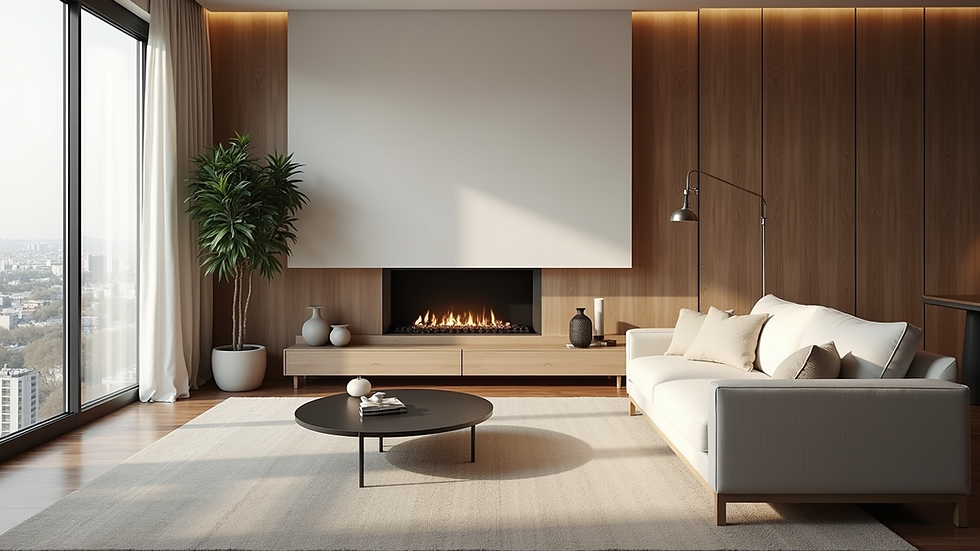
Modern: Characterized by clean lines, minimalism, and a neutral color palette.
Traditional: Features classic details, rich colors, and elegant furnishings.
Industrial: Incorporates raw materials like metal and wood, often with an urban feel.
Farmhouse: Emphasizes comfort with rustic elements, soft colors, and vintage decor.
Take time to explore different styles and create a mood board to visualize your ideas.
Planning the Layout
The layout of your space can significantly impact its functionality and flow. Here are some tips for effective layout planning:
Consider traffic patterns: Ensure there’s enough space for movement between furniture and rooms.
Create zones: Define areas for different activities, such as cooking, dining, and relaxing.
Use furniture placement: Arrange furniture to encourage conversation and interaction.
Selecting Materials
Choosing the right materials is essential for both aesthetics and durability. Here are some popular options:
Flooring: Hardwood, laminate, tile, and carpet each offer different benefits. Consider factors like maintenance, comfort, and style.
Paint: A fresh coat of paint can dramatically change a room's appearance. Choose colors that align with your style and create the desired mood.
Countertops: Materials like granite, quartz, and laminate each have unique characteristics. Think about durability, maintenance, and cost.
Lighting Matters
Lighting plays a crucial role in setting the mood and functionality of your space. Here are some tips for effective lighting design:
Layer your lighting: Combine ambient, task, and accent lighting for a well-lit space.
Use natural light: Maximize windows and consider adding skylights to bring in more daylight.
Choose fixtures wisely: Select fixtures that complement your design style and provide adequate illumination.
Incorporating Smart Technology
Integrating smart technology into your remodeling project can enhance convenience and efficiency. Consider these options:
Smart thermostats: Control your home's temperature remotely and save on energy costs.
Smart lighting: Adjust lighting levels and colors with your smartphone or voice commands.
Home security systems: Enhance safety with smart locks, cameras, and alarms.
Hiring Professionals vs. DIY
Deciding whether to hire professionals or tackle the project yourself depends on your skills, budget, and the complexity of the remodel. Here are some considerations:
DIY: If you're handy and the project is manageable, DIY can save money and provide a sense of accomplishment.
Hiring professionals: For complex tasks like plumbing, electrical work, or structural changes, hiring licensed professionals is often the safest choice.
Staying Organized
Remodeling can be overwhelming, so staying organized is key. Here are some tips:
Create a timeline: Outline each phase of the project and set deadlines.
Keep a project journal: Document your ideas, progress, and any changes made along the way.
Communicate with contractors: Maintain open lines of communication with any professionals you hire to ensure everyone is on the same page.
Final Touches
Once the major work is complete, it’s time to focus on the finishing touches that will bring your space to life:
Decor: Add personal touches with artwork, plants, and decorative items that reflect your style.
Textiles: Incorporate rugs, curtains, and cushions to add warmth and comfort.
Furniture: Choose pieces that complement your design and provide functionality.
Conclusion
Transforming your indoor space through remodeling can be a rewarding experience. By understanding your goals, setting a budget, and carefully planning each step, you can create a home that not only looks great but also meets your needs. Remember to enjoy the process and embrace the changes that come with it. Your dream space is within reach—start planning today!

Comments